Mapping Hybrid Reward Structures Across Soccer and Equestrian Platforms
Written by Freya Weber · Oct 7, 2026
Mapping Hybrid Reward Structures Across Soccer and Equestrian Platforms
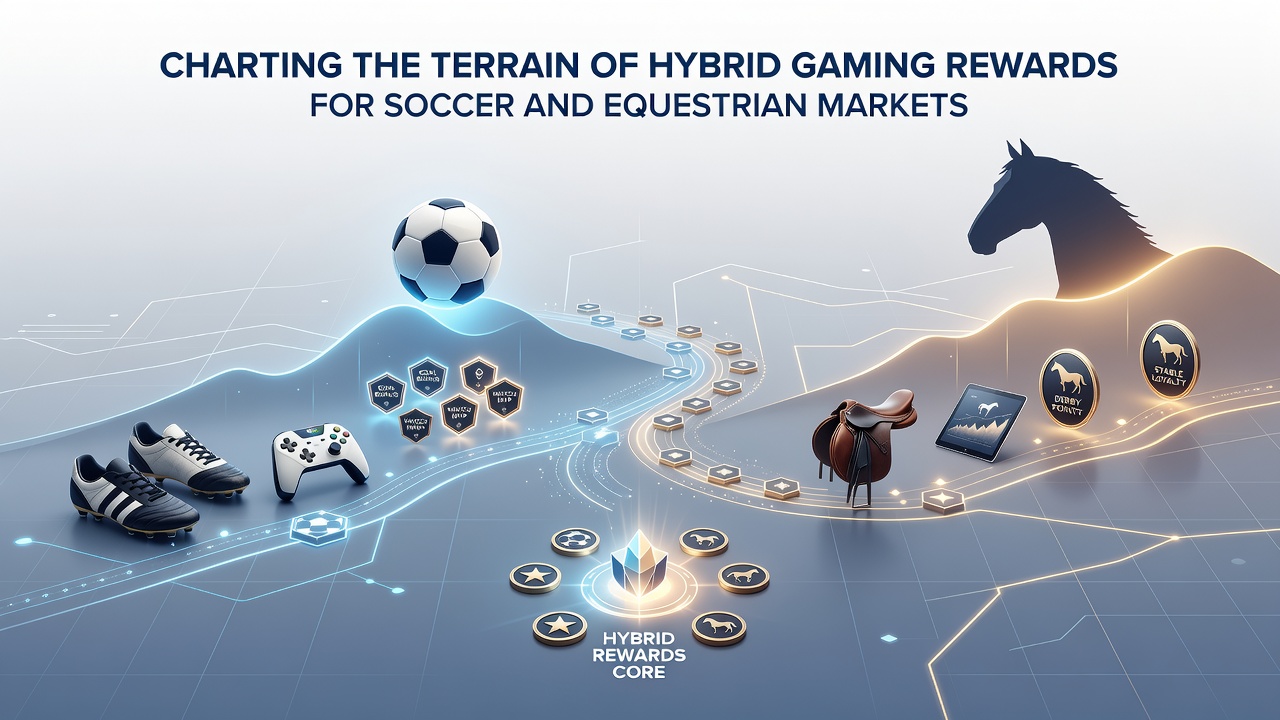
Hybrid gaming rewards combine elements from soccer betting and equestrian wagering into unified loyalty frameworks, cashback schemes, and bonus structures that span both sectors, according to industry analyses released in October 2026. These systems allow participants to accumulate points or credits across football matches and horse racing events on single platforms, creating pathways that link in-play soccer accumulators with ante-post equestrian bets. Data from that period shows operators integrating these features to address seasonal fluctuations in activity levels between the two markets.
Core Mechanics of Cross-Market Reward Integration
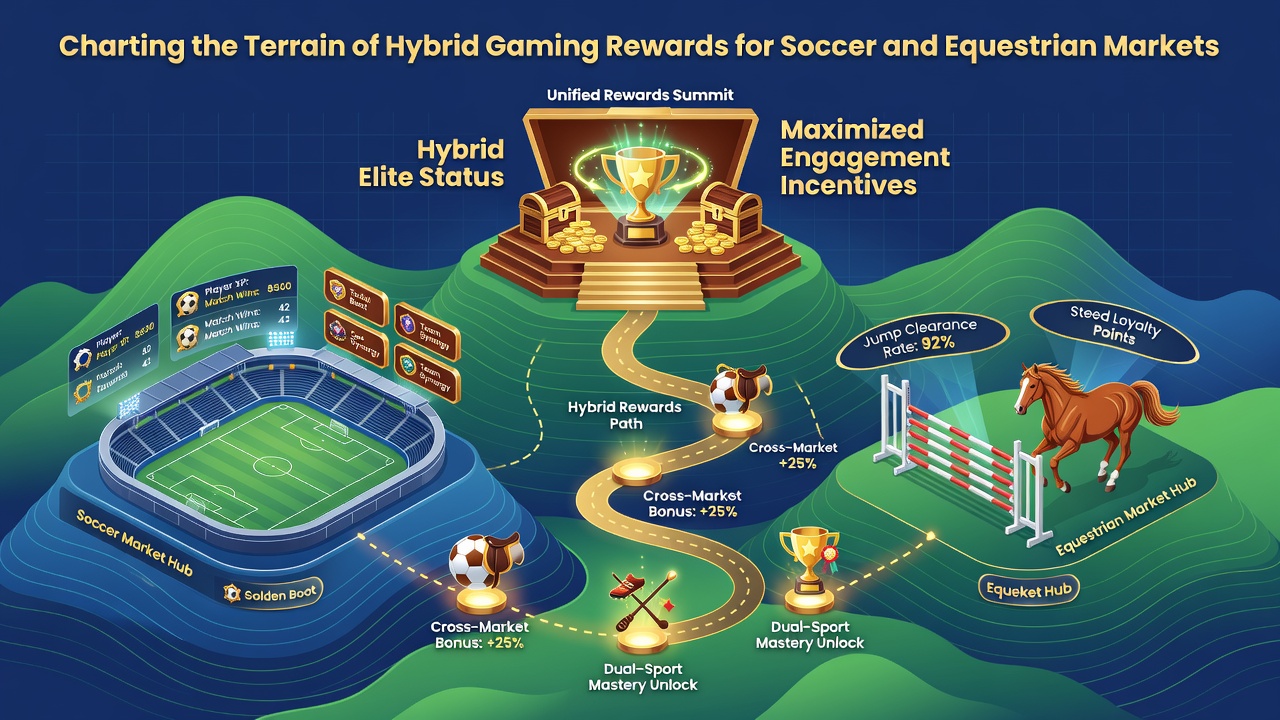
Platforms structure hybrid programs so that wagers placed on soccer leagues contribute toward tiers that unlock enhanced odds or free bets applicable to equestrian fixtures, while racing activity feeds back into soccer-specific multipliers. Researchers at the Canadian Centre on Substance Use and Addiction documented similar patterns in multi-sport loyalty models, noting that such integration reduces participant drop-off during off-seasons for individual sports. Participants often receive tiered status based on combined handle rather than isolated volume, which streamlines account management across both verticals.
Operators deploy algorithms that adjust reward rates dynamically, factoring in real-time data from major soccer tournaments alongside equestrian calendar events like the Breeders' Cup or Royal Ascot. This approach ensures balanced incentive distribution, and figures from October 2026 reveal measurable upticks in cross-category engagement following the rollout of unified dashboards.
Regional Variations in Hybrid Program Design
European markets outside the UK emphasize regulatory-compliant hybrids that cap bonus values while permitting soccer and equestrian points pooling, whereas North American platforms incorporate sports-book style cashback that applies uniformly to both football and thoroughbred racing. Reports from the Australian Gambling Research Centre highlight how local operators tailor these programs to align with state-level wagering taxes, resulting in reward percentages that fluctuate between 2% and 5% of combined turnover depending on jurisdiction.
One study released in late 2026 tracked user behavior across 12 platforms and found that hybrid participants placed 22% more bets spanning both categories compared with single-market users. The same analysis linked these outcomes to simplified navigation tools that display unified progress bars for soccer and equestrian milestones simultaneously.
Data Trends Emerging in October 2026
Market monitoring conducted that month indicated a 14% rise in hybrid account activations relative to the prior quarter, driven largely by promotional campaigns that bundled soccer goalscorer specials with equestrian each-way enhancements. Observers note that platforms achieving the strongest retention rates during this window maintained transparent conversion rates between soccer and racing credits, avoiding hidden restrictions on redemption windows.
Industry organizations such as the European Gaming and Betting Association compiled statistics showing that operators offering hybrid rewards experienced steadier gross gaming revenue streams across the two sectors than those maintaining separate programs. These findings align with patterns observed in Canadian provincial data, where integrated reward ledgers correlated with higher average session lengths for users active in both soccer and equestrian betting.
Technical Implementation and User Experience Factors
Backend systems synchronize soccer and equestrian transaction logs in real time, enabling instant updates to hybrid loyalty balances after each settled wager. Participants access these balances through mobile interfaces that present soccer and racing histories side by side, reducing friction when switching between markets. Technical audits conducted in 2026 confirmed that platforms using unified APIs achieved faster reward crediting times, often under three seconds for combined bets.
Security protocols incorporate multi-factor verification for large hybrid redemptions, and operators publish clear terms detailing how soccer goal margins or equestrian finishing positions influence final reward multipliers. Such transparency supports compliance with varying international standards while maintaining participant trust across geographic regions.
Conclusion
Hybrid reward structures for soccer and equestrian markets continue to evolve through algorithmic refinement and regulatory adaptation. October 2026 data underscores their role in stabilizing participation across seasonal sport cycles, with measurable effects on cross-category wagering volumes. Platforms that prioritize unified tracking and clear conversion mechanics demonstrate consistent performance in user retention metrics drawn from multiple international sources.