Interconnected Bonus Systems Linking Soccer Builders, Racing Tracks, and Table Incentives
Written by Sofia Foster · Aug 27, 2026
Interconnected Bonus Systems Linking Soccer Builders, Racing Tracks, and Table Incentives
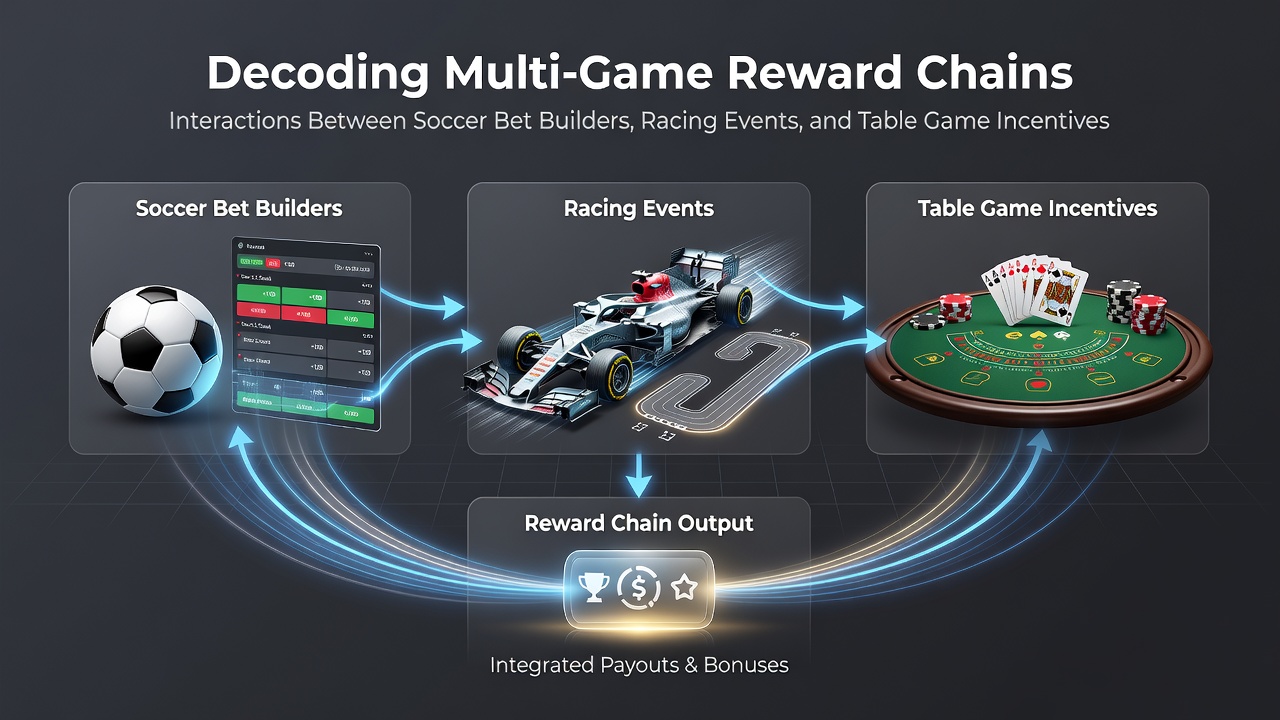
Platform operators have developed layered reward structures that connect custom soccer selections with racing event multipliers and table game loyalty points, creating chains where activity in one category unlocks benefits in others. Data compiled through August 2026 reveals measurable upticks in cross-category participation on sites that activate these links, with transaction logs indicating users often move from building soccer accumulators to claiming racing free bets before converting points at virtual or live tables.
Soccer Bet Builders as Entry Points
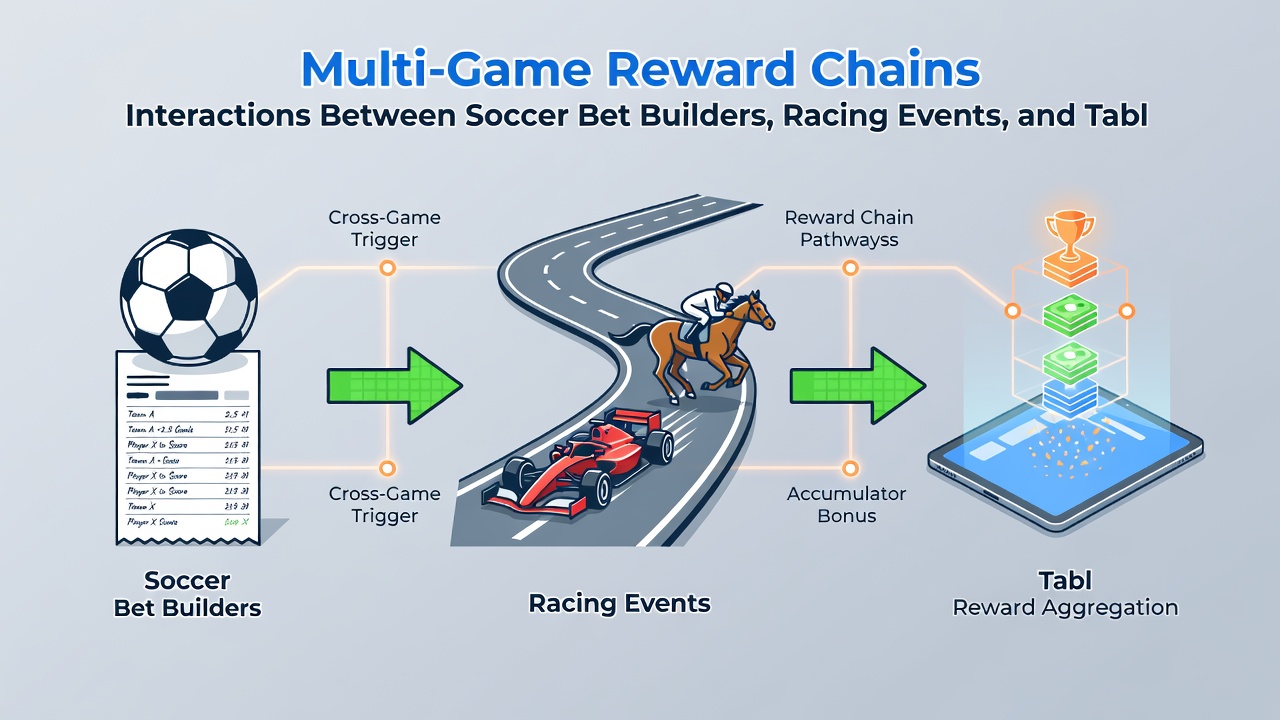
Bet builders allow users to combine player props, team totals, and match outcomes into single wagers, and operators frequently attach bonus multipliers when those wagers exceed certain stake thresholds. Industry reports note that completed soccer builders trigger automated credits usable on upcoming racing cards, which in turn generate table game cashback when the racing selections settle. Observers tracking user journeys have documented sequences where a successful soccer builder leads directly to a greyhound or horse racing stake, after which table game deposit matches activate without additional verification steps.
Racing Event Multipliers and Transfer Mechanisms
Racing calendars supply time-sensitive boosts such as extra place payouts or enhanced each-way terms that integrate with soccer builder earnings. When a user applies soccer-derived credits to a racing event, the resulting settlement often feeds into a shared loyalty ledger that tracks table game play separately. Figures released by the Australian Gambling Research Centre show that integrated racing incentives increased overall session length by measurable margins in markets where operators permit seamless credit transfers between verticals.
Table Game Incentives Completing the Chain
Table game promotions, including rakeback percentages and tournament ticket drops, close many of these loops by accepting points earned from both soccer and racing activity. Operators configure the systems so that a minimum number of table hands or spins must follow a racing bet for full value to unlock, which encourages continued engagement rather than isolated visits. Researchers examining aggregated platform data have recorded higher retention rates among accounts that complete at least one full cycle spanning all three categories within a seven-day window.
Technical Architecture Behind the Interactions
Backend systems rely on unified player accounts that assign a single identifier across verticals, allowing real-time updates to bonus wallets whenever a qualifying event concludes. Automated rules engines evaluate whether a soccer builder stake meets criteria for racing credit release, then apply further conditions before table game incentives become available. Platform audits conducted in mid-2026 confirmed that these engines reduce manual claim processes, cutting support tickets related to cross-category rewards by double-digit percentages on participating sites.
Regulatory and Compliance Considerations
Regulators in multiple jurisdictions require clear disclosure of how rewards move between product types, particularly when one vertical carries different risk profiles than another. Compliance teams maintain audit trails that map every credit transfer from soccer builder completion through racing settlement and into table game play. The American Gaming Association has published guidance documents outlining best practices for transparent multi-vertical loyalty structures that operators reference when updating their terms.
Observed Patterns in User Behavior
Analytics dashboards reveal clusters of activity where users complete soccer builders on weekday evenings, apply resulting credits to weekend racing, and then shift to table games during quieter midweek periods. These patterns repeat across demographic segments, though the volume of table game activity varies with the size of the initial soccer stake. Platform operators adjust trigger thresholds periodically to maintain balanced traffic across all three areas without creating unintended bottlenecks.
Conclusion
Multi-game reward chains function through coordinated backend rules that link soccer bet builders to racing events and table game incentives via shared accounts and automated transfers. Data gathered through August 2026 and reports from independent research bodies illustrate consistent movement of credits across categories when platforms implement these connections. Operators continue refining the technical and compliance frameworks that support such systems while meeting disclosure requirements in their operating regions.