Algorithmic Personalization Unlocks Tailored Rewards Across Sports, Racing, and Table Games
Written by Parker Roth · Aug 16, 2026
Algorithmic Personalization Unlocks Tailored Rewards Across Sports, Racing, and Table Games
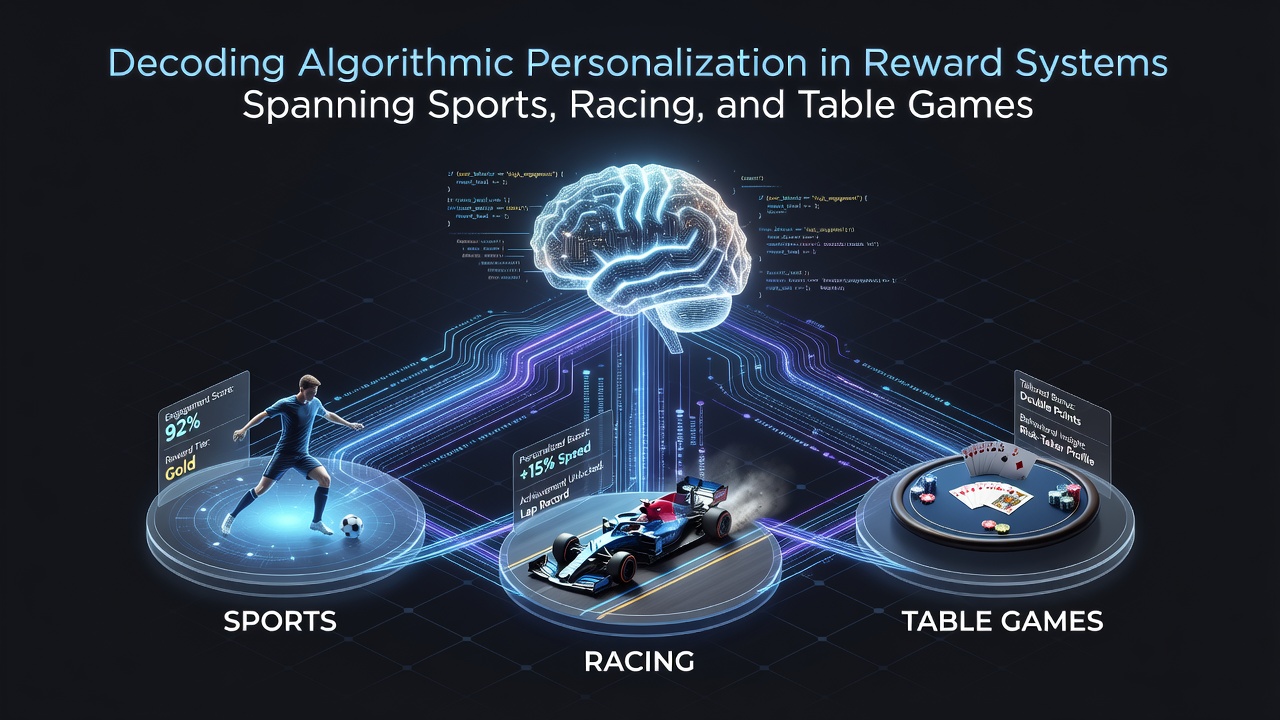
Algorithmic personalization drives reward systems that adapt offers to individual betting patterns in sports, racing, and table games, drawing on real-time data streams and predictive models to adjust bonuses, loyalty tiers, and cashback structures. Operators collect behavioral signals such as wager frequency, preferred markets, session duration, and deposit patterns, then feed those inputs into machine learning frameworks that generate dynamic incentives tailored to each account.
Data Inputs Power the Personalization Engine
Systems track hundreds of variables per user, including time of day for active sessions, device type, and response rates to previous promotions, while regulatory frameworks in multiple jurisdictions require transparent consent mechanisms before any profile building begins. In August 2026 operators reported expanded use of graph neural networks that map connections between similar player cohorts, allowing platforms to surface rewards tested successfully on comparable profiles without revealing individual data points. These models integrate external signals such as weather impacts on racing events or injury reports in team sports, then recalibrate suggested wagers and associated loyalty multipliers within minutes of new information arriving.
Application in Sports Betting Environments
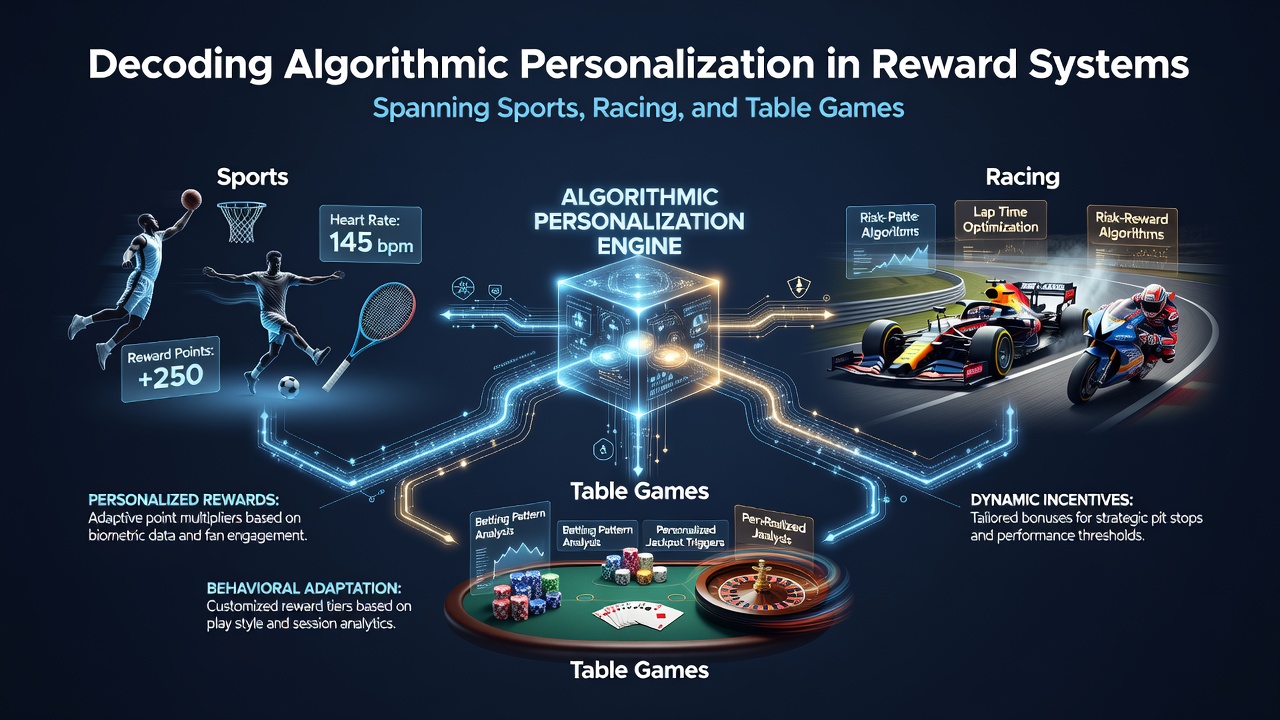
Sports platforms apply these algorithms to create segmented cashback offers that scale with a user’s historical accuracy on specific leagues or bet types, while simultaneously adjusting maximum stake limits and bonus release schedules. One North American operator documented a 14 percent lift in retention after deploying reinforcement learning agents that optimized free bet values based on each account’s risk tolerance inferred from past cash-out behavior. The same frameworks flag accounts showing sudden shifts toward high-variance markets and automatically surface risk-management tools alongside personalized deposit-match percentages.
Adaptations for Racing and Table Games
Racing operators extend the same logic to tote and fixed-odds products, where algorithms adjust place and show bonuses according to a player’s historical focus on particular tracks or meeting times, then layer in loyalty points multipliers that activate only after a minimum number of consecutive days with activity. Table games environments, including poker and blackjack variants, use clustering techniques to identify grinders versus recreational participants, delivering targeted rakeback tiers or tournament entry credits that align with observed volume and style metrics. Platforms operating across all three verticals often maintain unified player graphs, so a user’s sports betting patterns can influence racing reward eligibility and vice versa, creating cross-product journeys that studies from the University of Nevada, Las Vegas have linked to higher lifetime engagement when properly disclosed.
Regulatory and Technical Safeguards
Regulators in several regions now require periodic audits of personalization algorithms to verify that offers do not disproportionately target accounts with elevated loss rates, while technical standards from bodies such as the Australian Gambling Research Centre emphasize explainability features that allow users to view the main factors influencing their current reward tier. Implementation typically involves edge computing nodes that process sensitive session data locally before aggregated, anonymized summaries reach central servers, reducing latency for real-time bonus updates during live events.
Cross-Vertical Loyalty Mechanics
Unified loyalty currencies now appear across integrated sites, where points earned from soccer accumulators convert into racing free bets or table game credits at rates determined by each user’s overall contribution profile. Data from the American Gaming Association indicates that operators employing these unified systems observed measurable increases in multi-vertical participation during the 2026 summer racing festivals. The underlying models continuously retrain on fresh outcome data, incorporating feedback loops that reward accurate prediction of user preferences rather than simple volume growth, thereby aligning incentive structures with sustained platform usage across sports, racing, and table game offerings.
Conclusion
Algorithmic personalization continues to evolve through tighter integration of live event data, cohort analysis, and cross-product tracking, producing reward structures that adapt at the individual level while remaining subject to expanding oversight frameworks worldwide. As platforms refine these systems through 2026 and beyond, the core mechanism remains consistent: continuous collection of behavioral signals followed by model-driven allocation of incentives that reflect observed patterns across sports, racing, and table games.