Algorithmic Odds Tweaks Reshaping Live Wagers on Soccer Pitch and Racecourse Alike
Written by Petra Braun · Nov 18, 2026
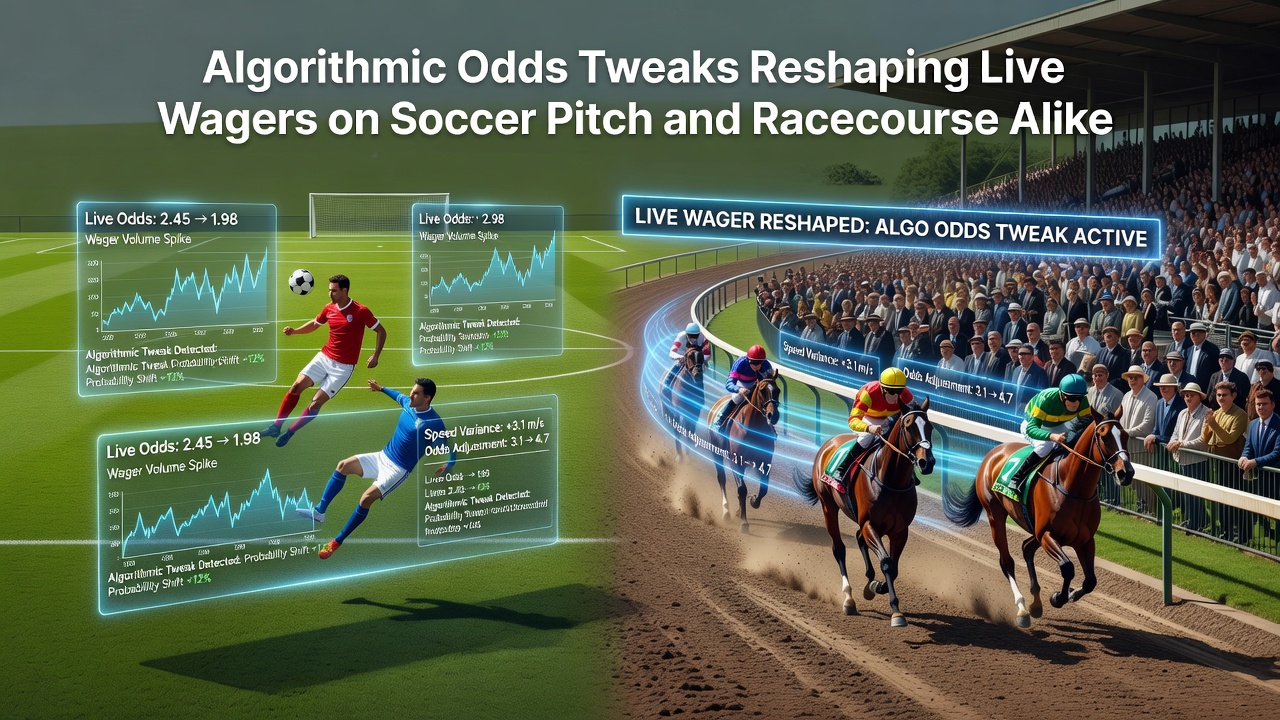
Algorithmic Odds Tweaks Reshaping Live Wagers on Soccer Pitch and Racecourse Alike
Algorithmic systems now drive minute-by-minute adjustments to live betting markets on soccer fields and racetracks around the world, and operators deploy machine learning models that process thousands of data points per second to recalibrate odds as events unfold. These platforms ingest player statistics, weather conditions, pitch moisture levels, and historical performance metrics while they update prices faster than traditional bookmakers could manage manually.
Data Streams Fueling Real-Time Recalibrations
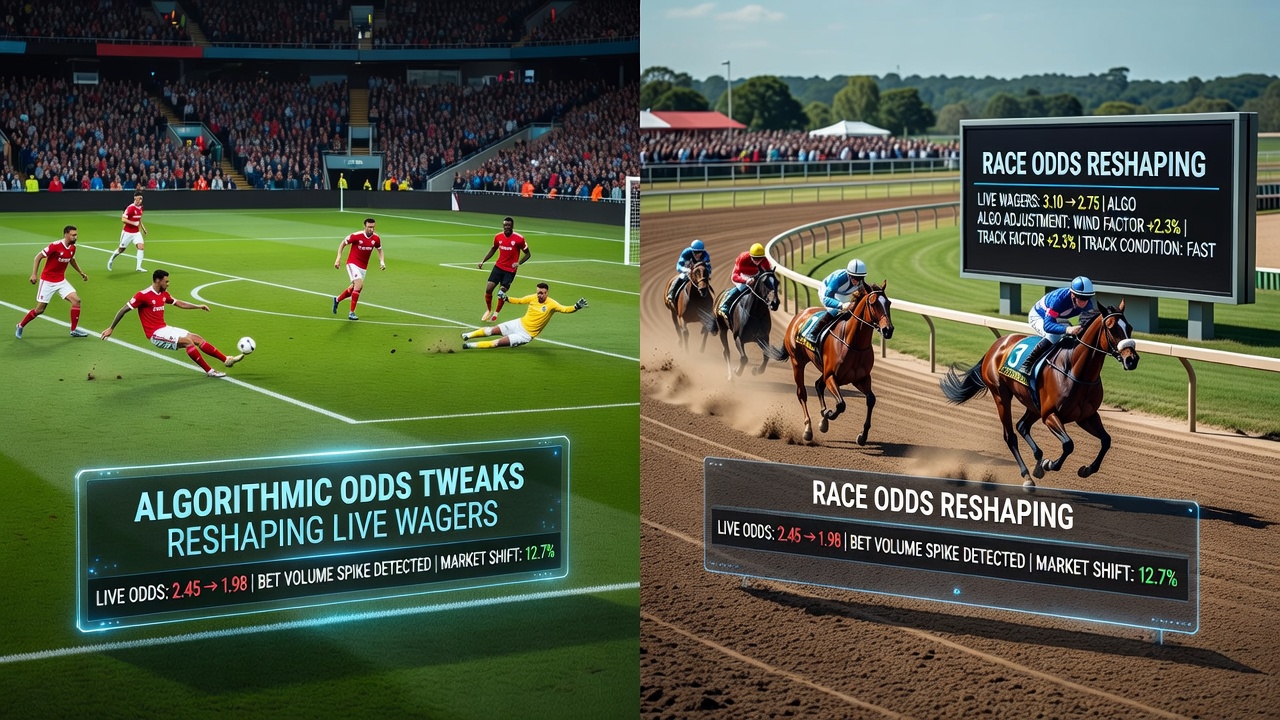
Live soccer wagers respond to every pass, substitution, and injury report because algorithms pull from multiple feeds including optical tracking systems and referee communications, yet horse racing markets incorporate variables such as track surface changes, pace figures, and jockey tactics in similar automated loops. Observers note that both sectors rely on the same core technology stack even though the sports differ in pace and structure, and this convergence has accelerated since early 2026 when major platforms expanded their in-play offerings ahead of the winter racing calendar and European club seasons.
One study from the University of Sydney examined how these models handle correlated events, such as a late goal in soccer triggering simultaneous shifts in both match-winner and total-goals lines, while parallel adjustments occur in racing when a favorite falters at the final turn. The research indicates that processing latency has dropped below 200 milliseconds on leading systems, allowing bettors and operators alike to react within the same window that physical events develop.
Market Impact Across Regions
Figures from the National Council on Problem Gambling in the United States show increased participation in in-play soccer markets during November 2026, coinciding with the start of major European leagues, and Canadian data from provincial gaming authorities reveals parallel growth in live horse racing wagers at tracks equipped with advanced timing sensors. These regional patterns suggest that algorithmic speed creates liquidity advantages for operators who can maintain balanced books across thousands of concurrent bets.
Take one platform that integrated satellite weather data into its racing models last season, and the result was fewer manual interventions when sudden rain altered track conditions mid-card. Similar integrations appear in soccer where wind speed and temperature readings now influence corner and card markets, and the outcome is tighter spreads that reflect probability shifts almost instantly after each data point arrives.
Regulatory and Operational Responses
Gaming regulators in multiple jurisdictions have begun requiring disclosure of algorithmic parameters when operators apply for live betting licenses, and this requirement stems from concerns over market fairness when models react to non-public data sources. In Australia the Independent Gambling Authority published guidelines in late 2025 that address transparency around automated odds changes, and several European operators have since adopted similar reporting practices voluntarily.
Those who have studied the technology note that human oversight teams still monitor for anomalies, yet the volume of bets processed means algorithms handle the majority of pricing decisions without direct intervention. This division of labor keeps markets stable during high-volume periods such as Saturday soccer double-headers and major festival race meetings, while it also reduces the window for human error in fast-moving environments.
Future Trajectories for Algorithmic Betting
Developments in edge computing promise further reductions in latency, and some platforms already test models that incorporate biometric data from wearable devices on athletes and jockeys when regulations permit. The result is a continuous feedback loop where odds evolve in lockstep with on-field or on-track conditions rather than lagging behind them.
November 2026 has already seen several high-profile events where algorithmic adjustments prevented large-scale imbalances after unexpected late developments in both soccer and racing fixtures, and industry reports suggest this pattern will continue as more data sources come online. Observers continue to track how these systems influence overall market volumes and whether smaller operators can compete with the computational resources required to maintain real-time parity.
Conclusion
Algorithmic odds management has become standard infrastructure for live betting on soccer and horse racing, reshaping how markets form and how quickly they adapt to new information. Data from multiple regulatory and academic sources confirms that processing speed, data integration, and cross-sport technological overlap now define competitive advantage in this segment of the industry, and further evolution appears tied to advances in sensor technology and regulatory frameworks that govern automated decision-making.