Algorithmic Insights Reveal How Hybrid Platforms Customize Player Rewards
Written by Sofia Foster · Aug 25, 2026
Algorithmic Insights Reveal How Hybrid Platforms Customize Player Rewards
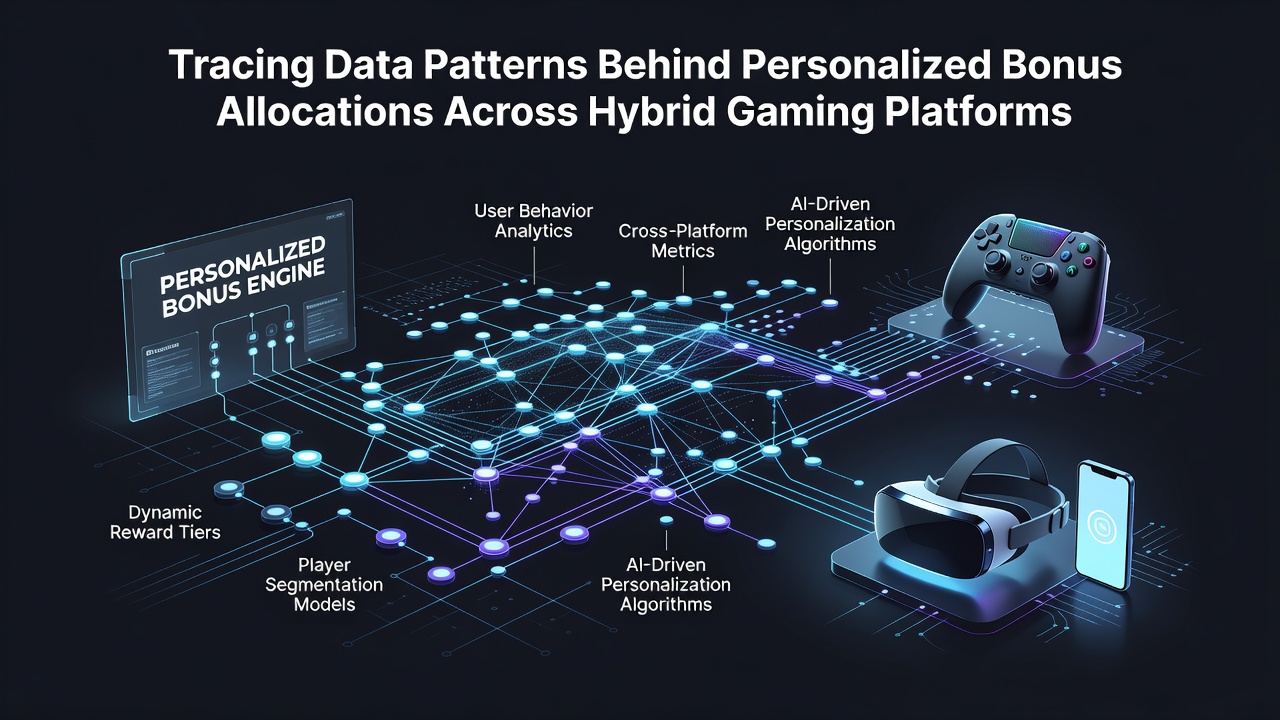
Hybrid gaming platforms combine sports betting, casino games, and poker into single ecosystems, and data analysts track user behavior across these segments to allocate bonuses that match individual patterns. Researchers at multiple institutions have mapped how deposit frequency, game preference shifts, and session duration feed into allocation engines that adjust offers in real time.
August 2026 figures from North American operators show that platforms using integrated datasets increased retention metrics by aligning bonus types with observed play clusters, such as high-volume slot users receiving reload credits while sports bettors see enhanced odds on specific leagues.
Core Data Inputs That Drive Allocation Models
Platforms collect structured information from login timestamps, wager sizes, and cross-category movement, then feed these points into decision trees that segment users into groups based on lifetime value projections. One study from the University of Nevada Reno documented how time-of-day activity combined with average bet variance predicts whether a player responds better to free spins or cashback tiers.
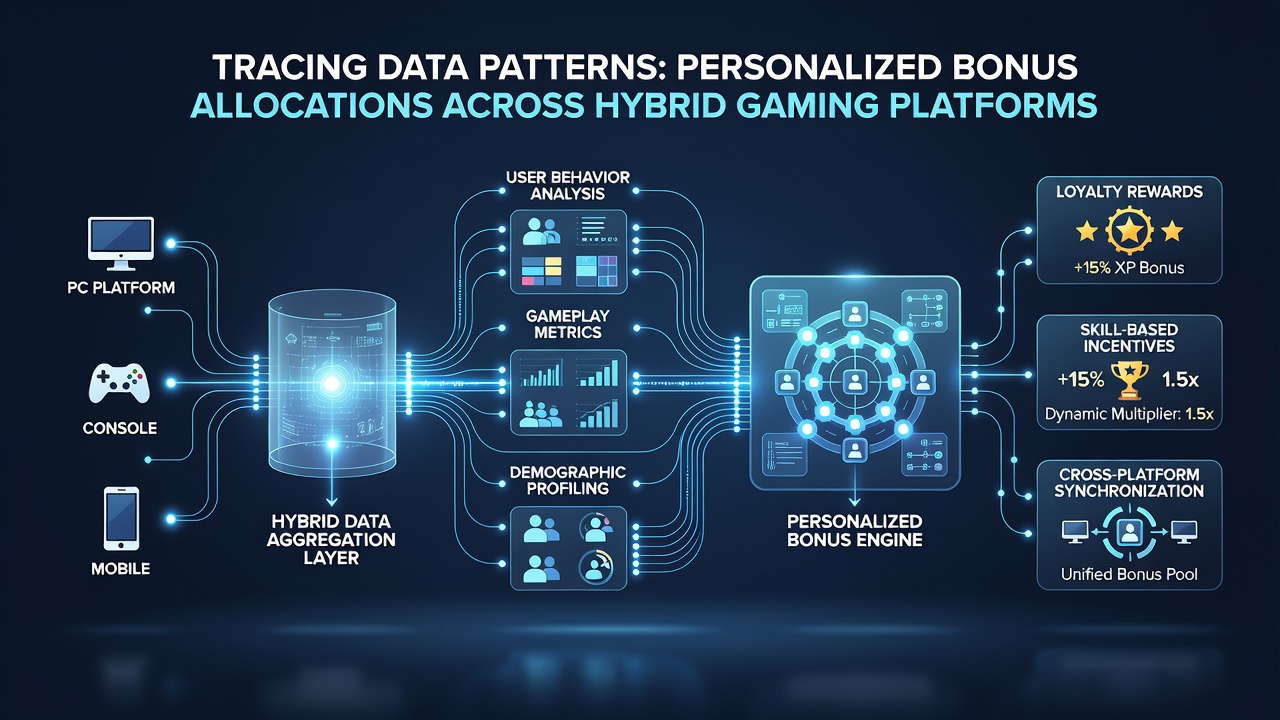
Analysts note that deposit method also correlates with offer acceptance rates, because certain payment rails link to higher average transaction values while others signal price sensitivity. Hybrid systems therefore route these signals through centralized dashboards that update bonus eligibility every few hours rather than on fixed schedules.
Machine Learning Techniques Applied to Reward Personalization
Supervised models trained on historical redemption data identify which bonus structures produce repeat deposits within 72 hours, while unsupervised clustering groups players who migrate between poker tables and live dealer rooms at similar intervals. These clusters allow platforms to trigger targeted incentives before engagement drops, a tactic several Canadian operators refined during the first half of 2026.
Reinforcement learning loops further refine the process by testing small variations in bonus value and format against control groups, then scaling the winning variants across similar user profiles. The approach relies on continuous feedback from in-app clicks and withdrawal requests rather than periodic manual reviews.
Cross-Platform Tracking Across Sports, Casino, and Poker Verticals
Because hybrid environments record activity in one account across multiple verticals, analysts can detect when a sports bettor begins exploring slot tournaments or when a poker regular shifts funds into live roulette. These transitions trigger bonus adjustments that encourage deeper exploration without disrupting established habits. European regulators in several jurisdictions require operators to log these transitions for compliance audits, creating standardized datasets that researchers now use to compare allocation effectiveness across markets.
August 2026 reports from the Australian Gambling Research Centre indicate that players who receive bonuses matched to newly adopted verticals maintain higher activity levels over six-week periods than those given generic offers. The data also shows that timing matters, with mid-week bonuses producing stronger responses among users whose weekend sports activity tends to peak.
Privacy Controls and Regulatory Boundaries
Operators must balance detailed behavioral tracking against consent requirements, and many now present granular opt-in toggles for different data categories. The National Center for Responsible Gaming has published guidelines that recommend clear explanations of how play history influences bonus offers, helping platforms maintain transparency while preserving analytical accuracy.
Regional differences appear in how long platforms retain raw session data before aggregation, with some jurisdictions mandating shorter windows that force faster model retraining cycles. These constraints have pushed developers toward federated learning methods that keep individual records on device while still contributing to global pattern detection.
Conclusion
Tracing data patterns behind personalized bonus allocations requires continuous integration of behavioral signals across hybrid gaming environments, and current models rely on machine learning to match offers to observed clusters. As platforms expand in 2026, the same analytical frameworks that support reward customization also inform responsible gaming tools that flag unusual activity shifts. Observers continue to monitor how regulatory updates in multiple regions shape the datasets available for these systems.